
Price parity across every sales channel, threshold-aware floor pricing, and complete AI-readable product data are the three moves that most reliably push your SKUs into AI shopping agent recommendations. Get all three right and you’re in the scorecard. Miss any one and you’re filtered out before the agent even compares you to a competitor.
The three immediate actions:
- Enforce price parity across your Shopify or WooCommerce store, Google Shopping feed, and any marketplace listings. Price inconsistency across channels can suppress purchase completion rates by roughly 23%.
- Set threshold-aware floor prices so your SKUs land just below common query filters (“under $50,” “under $100”) rather than a dollar above them.
- Publish complete, structured product data (JSON-LD, full attribute fields, clean titles) so agents can score your listing at all.
Key Takeaways
Price parity, threshold-aware floor pricing, and complete structured data are the three non-negotiable foundations for getting your SKUs into AI agent recommendations.
| Point | Details |
|---|---|
| Enforce price parity first | Price inconsistency across channels suppresses purchase completion by roughly 23%, per Perplexity merchant analysis. |
| Set threshold-aware floor prices | Price just below common query filters (“under $50”) so agents include your SKU rather than filter it out. |
| Publish complete structured data | JSON-LD and full attribute fields are gating criteria; missing data means agents often skip scoring your listing entirely. |
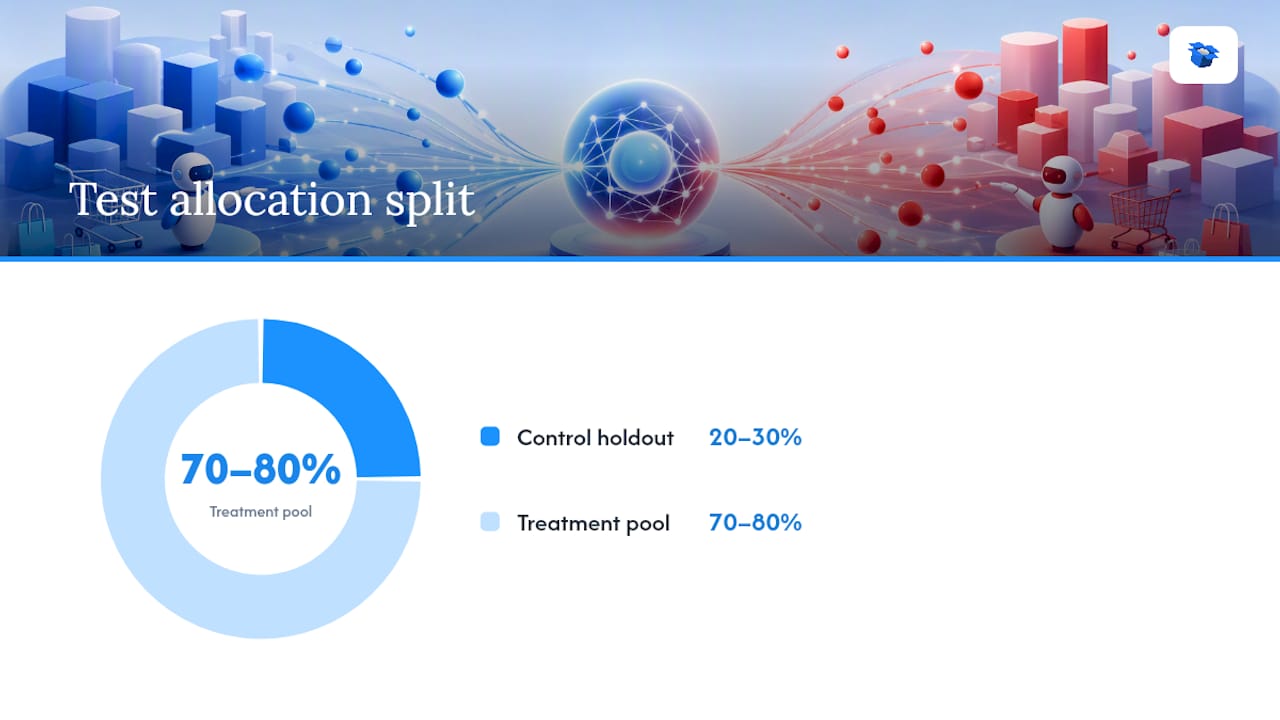
| Test one variable at a time | Run randomized choice-set tests for at least two weeks with a 20%–30% holdout to isolate agent-driven effects. |
| Use Ecentic for continuous monitoring | Ecentic simulates agent scoring across ChatGPT, Gemini, Claude, and Perplexity and rescans automatically after any listing change. |

 Install on Shopify
 Install on WooCommerce